Which wood should you choose for a dining table that lasts for years?
Choosing the right wood affects your table’s durability, its look, and how it will change over time. At HOOM, we work exclusively with solid wood – because it can be refinished and it ages beautifully in everyday use. Below are the three species our clients choose most often.
Quick breakdown:
- Oak – the most versatile choice for busy, everyday life.
- American walnut – darker, distinctive grain; ideal when the table should be the focal point of the room.
- Ash – light and expressive; visual lightness with excellent durability.

Oak – durability and versatility
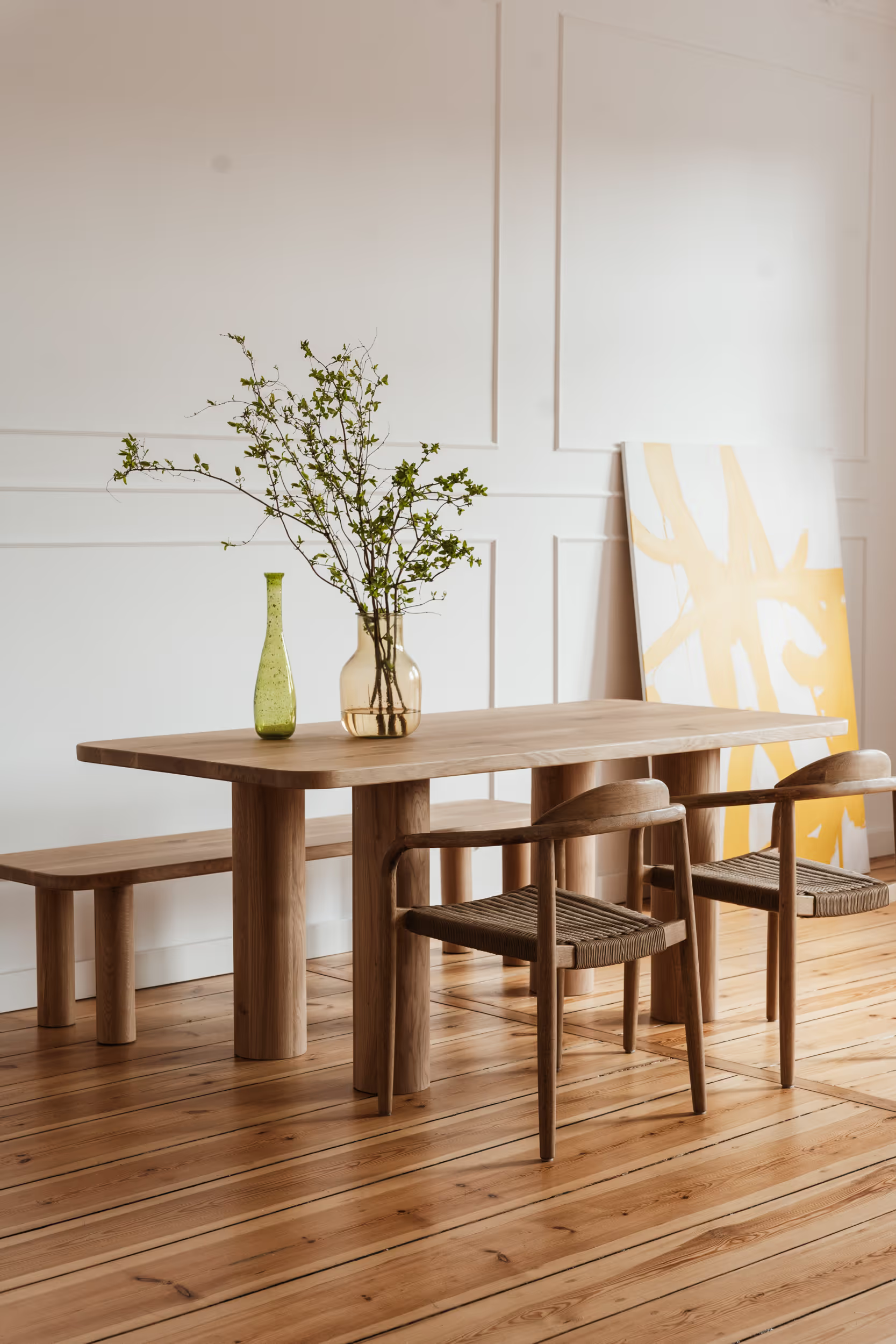
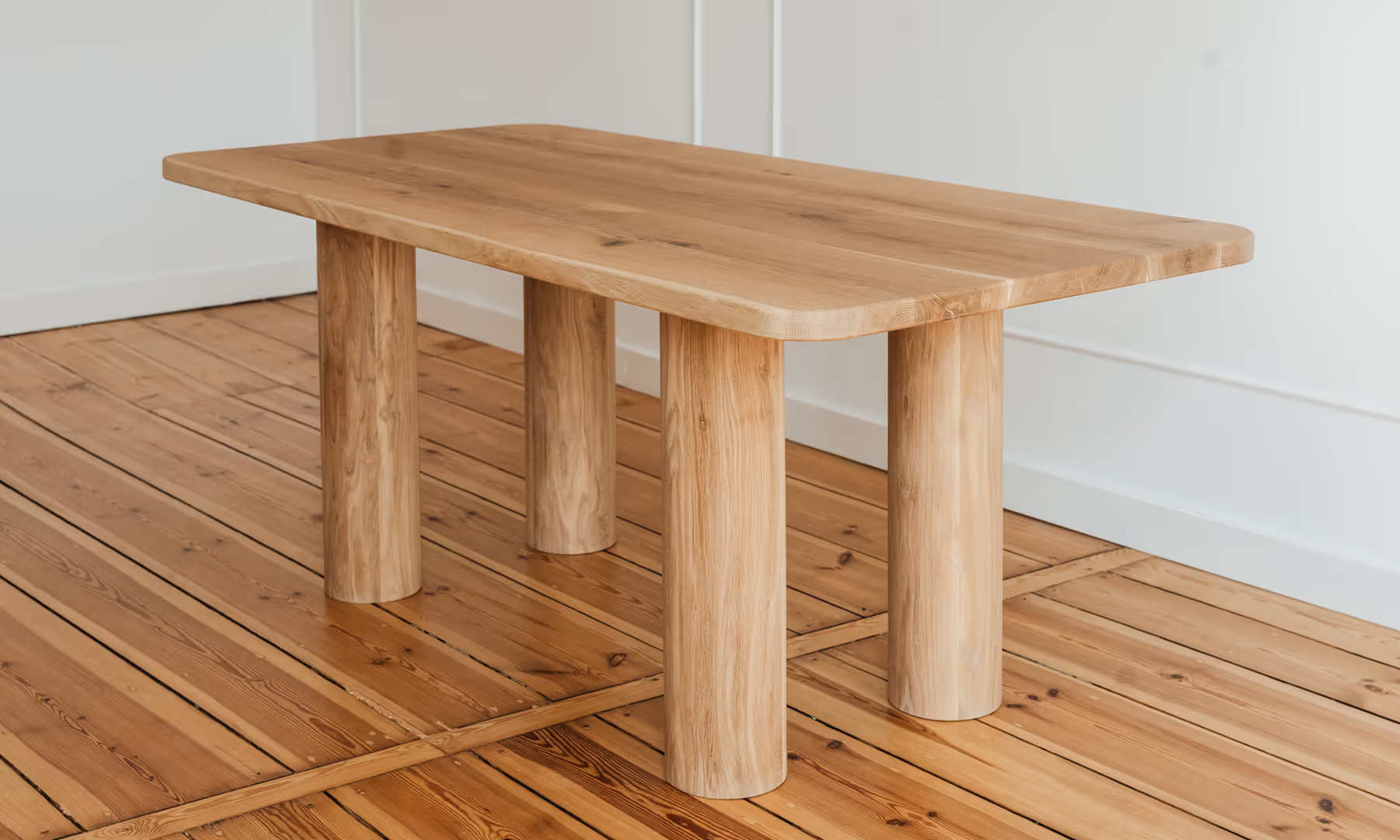
Oak is one of the hardest and most dimensionally stable woods for dining tables. Its high density makes it highly resistant to daily use, mechanical wear, and natural changes in temperature and humidity.
Who is an oak table best for?
If you want a table “for years” – without feeling like you need to be careful around it – oak is the safe, confident choice. It works equally well in family homes (even with heavy use) and in demanding commercial spaces.
Colour and how it ages
Oak naturally ranges from light beige to warmer, honey tones. Its grain is clear but calm and structured, which keeps oak timeless and easy to match with different interior styles.
Over time, oak tends to age in a predictable, graceful way. Small marks of use usually don't take away from its look – they often highlight the character of real wood. And because solid oak can be sanded and refinished (for example with a natural hardwax oil), an oak table can last for decades without losing its core qualities.
Solid wood can be refinished – even years later
Oak – durability and versatility
Oak is one of the hardest and most dimensionally stable woods for dining tables. Its high density makes it highly resistant to daily use, mechanical wear, and natural changes in temperature and humidity.
Who is an oak table best for?
If you want a table “for years” – without feeling like you need to be careful around it – oak is the safe, confident choice. It works equally well in family homes (even with heavy use) and in demanding commercial spaces.
Colour and how it ages
Oak naturally ranges from light beige to warmer, honey tones. Its grain is clear but calm and structured, which keeps oak timeless and easy to match with different interior styles.
Over time, oak tends to age in a predictable, graceful way. Small marks of use usually don't take away from its look – they often highlight the character of real wood. And because solid oak can be sanded and refinished (for example with a natural hardwax oil), an oak table can last for decades without losing its core qualities.
Solid wood can be refinished – even years later
Oak – durability and versatility
Oak is one of the hardest and most dimensionally stable woods for dining tables. Its high density makes it highly resistant to daily use, mechanical wear, and natural changes in temperature and humidity.
Who is an oak table best for?
If you want a table “for years” – without feeling like you need to be careful around it – oak is the safe, confident choice. It works equally well in family homes (even with heavy use) and in demanding commercial spaces.
Colour and how it ages
Oak naturally ranges from light beige to warmer, honey tones. Its grain is clear but calm and structured, which keeps oak timeless and easy to match with different interior styles.
Over time, oak tends to age in a predictable, graceful way. Small marks of use usually don't take away from its look – they often highlight the character of real wood. And because solid oak can be sanded and refinished (for example with a natural hardwax oil), an oak table can last for decades without losing its core qualities.
Solid wood can be refinished – even years later
Oak – durability and versatility
Oak is one of the hardest and most dimensionally stable woods for dining tables. Its high density makes it highly resistant to daily use, mechanical wear, and natural changes in temperature and humidity.
Who is an oak table best for?
If you want a table “for years” – without feeling like you need to be careful around it – oak is the safe, confident choice. It works equally well in family homes (even with heavy use) and in demanding commercial spaces.
Colour and how it ages
Oak naturally ranges from light beige to warmer, honey tones. Its grain is clear but calm and structured, which keeps oak timeless and easy to match with different interior styles.
Over time, oak tends to age in a predictable, graceful way. Small marks of use usually don't take away from its look – they often highlight the character of real wood. And because solid oak can be sanded and refinished (for example with a natural hardwax oil), an oak table can last for decades without losing its core qualities.
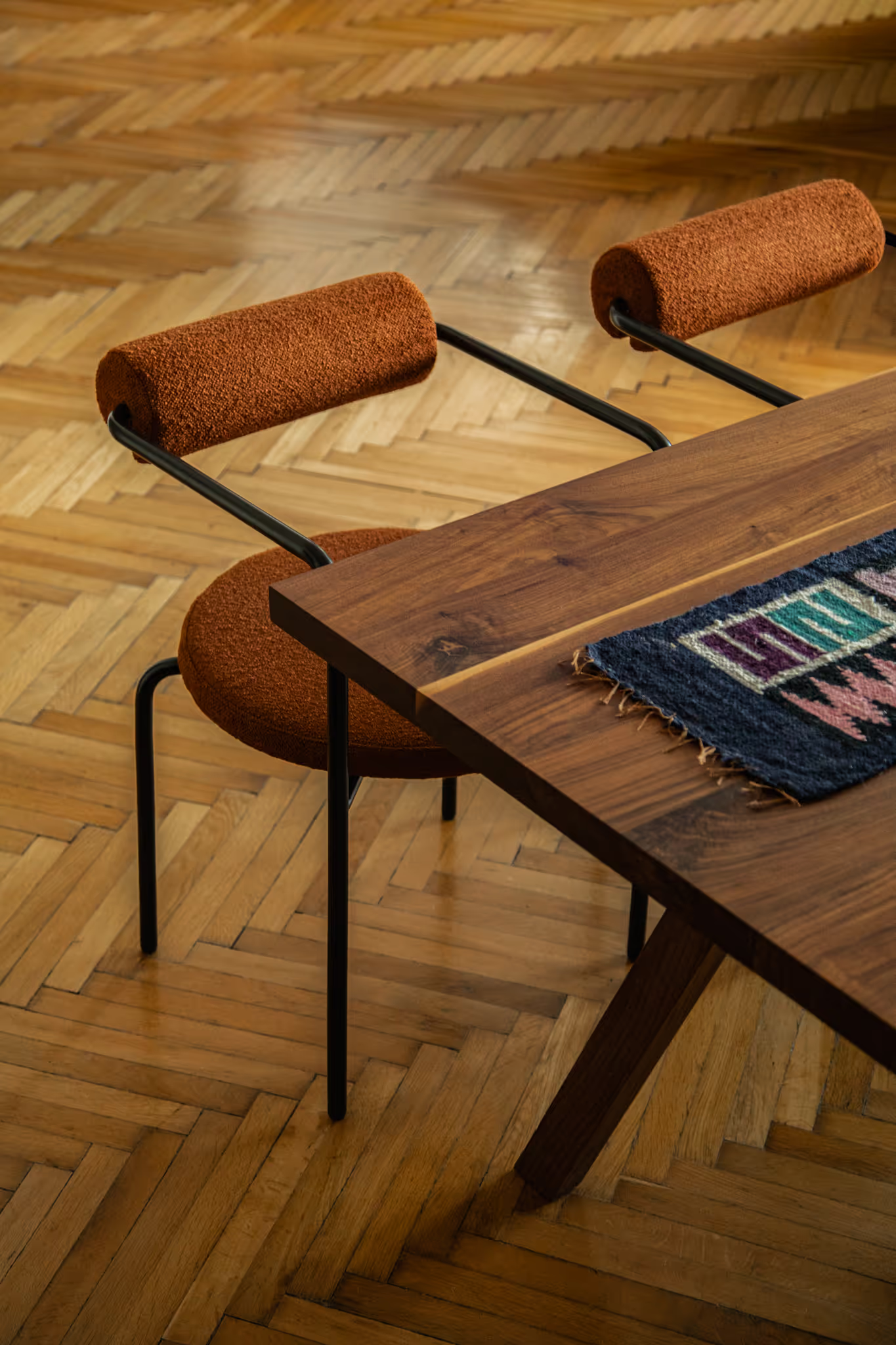
American walnut – depth, tone, and character
American walnut is a solid wood valued at HOOM for its rich chocolate tones and unmistakable grain. Natural tonal variation and the complexity of the structure mean no two tabletops are the same – every piece is genuinely one of a kind.
Is the American walnut table durable?
Yes, walnut is a very solid material. But it's worth knowing that it can be slightly more prone to minor surface marks than the densest oak or ash. This doesn't reduce its functionality. Those subtle changes are simply part of how real wood lives – and they often add authenticity.
Colour change and uniqueness
With time, walnut typically deepens in tone and develops a refined patina. It's a confident choice for people who see the dining table as the centre of the interior – and appreciate how natural materials evolve visually.

Ash – expressive structure and visual lightness
Ash is a hard hardwood that matches oak in strength, but it stands out with a much more dynamic, expressive grain pattern. That strong fibre structure gives ash tables a bolder, slightly more “alive” character – while still keeping the elegance of solid wood.
When is ash worth choosing?
Visually, ash is usually lighter than oak – from pale, almost creamy tones to warmer browns in the heartwood. That makes it a great fit for modern, light-filled interiors where you want a sense of visual lightness without compromising durability.
When properly seasoned and finished in our workshop, ash performs with excellent stability. Over time, its structure can become even more pronounced, and the tabletop gains depth that comes from the natural movement of real wood.
Solid wood keeps its qualities and can be renewed even after many years of use.
Frequently asked questions before choosing wood
Which wood is the hardest and most resistant to damage?
For busy, everyday use, the most reliable choices are oak and ash – hard, stable, and predictable over time.
Will a dark wood table make my space feel smaller?
Dark walnut adds depth. In bright interiors it often works as an elegant accent rather than a “heavy” element – especially when the room has plenty of light and a calm, neutral base.
Can wood be stained, and does colour still matter?
Yes, staining can change the tone, but it doesn't change the wood's structure. The species determines the grain pattern, depth, and how the material matures over time. Each species also has a different density, which affects how it absorbs and holds colour – the same stain can look different on oak, ash and walnut.
Can solid wood tables be refinished?
Yes. Solid wood can be refreshed after years: lightly sanded and re-protected. That's one of the biggest advantages of choosing a table made from real wood.
Do wood grains repeat?
No. Solid wood is naturally unique – each tabletop has its own grain and pattern that can't be replicated.