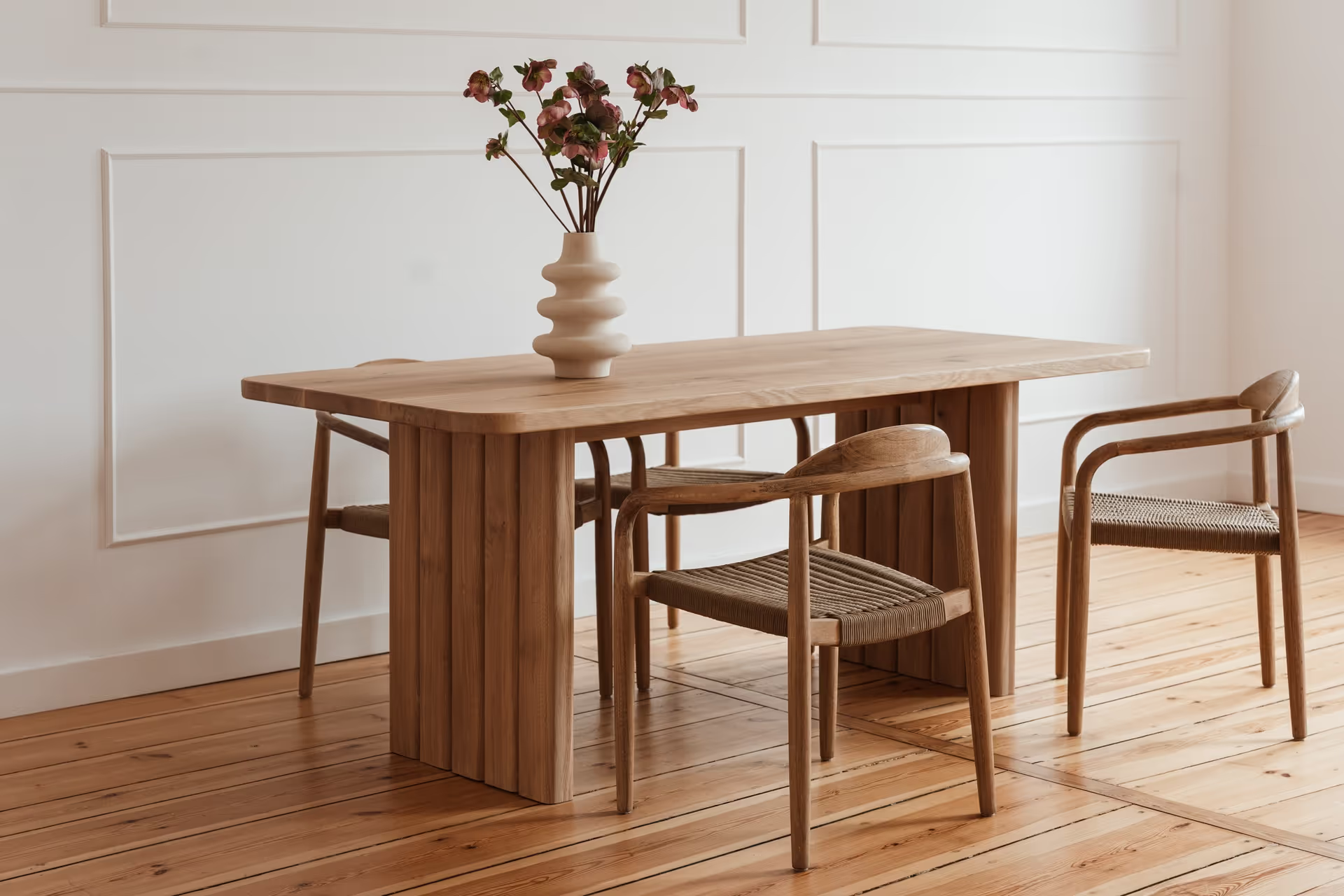
Wood table finishes: Oil-Wax vs. Lacquer - Which is Better?
Finishing the tabletop is a decision that affects three things: looks, resistance and everyday comfort. Oil-wax and lacquer protect wood in completely different ways – so there is no single “best” option. There is one that fits your way of living better.
We compare both directly: what stands up to water better, what is easier to keep clean, what can be repaired, and what gives the tabletop the most protection.
In short: what to choose?
- Oil-wax – if you want a natural look, warmth to the touch and the option of repairing small areas.
- Lacquer – if the priority is maximum protection and largely maintenance-free use.
Below: a simple, practical comparison.
How the finish affects your table
The finish you choose affects more than just the look of your table. It influences its durability, everyday care and how comfortable it is to use, all in line with your habits and lifestyle. Oil-wax and lacquer protect wood in completely different ways, so it is worth knowing the key differences before deciding.
Oil-wax – how does it work?
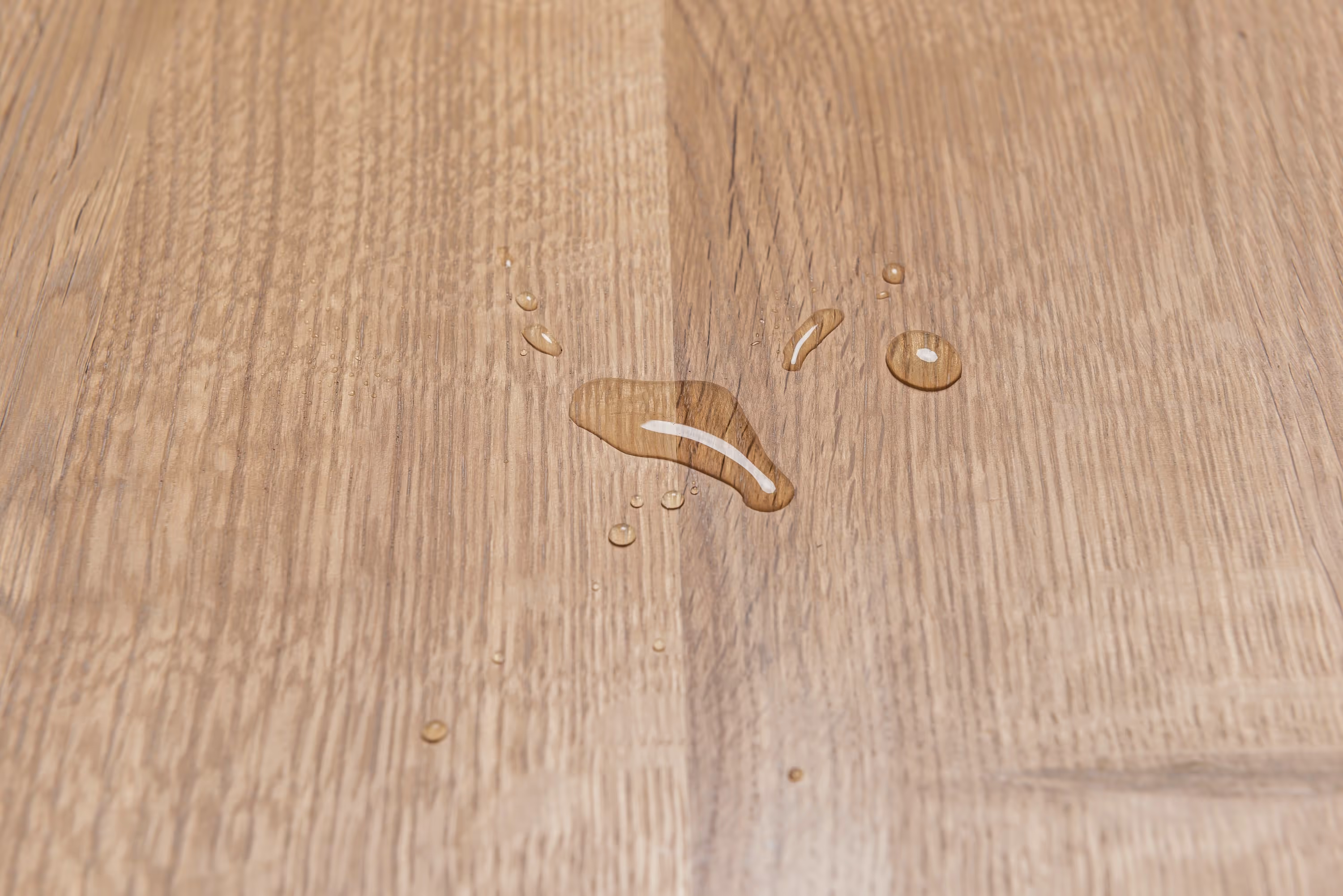
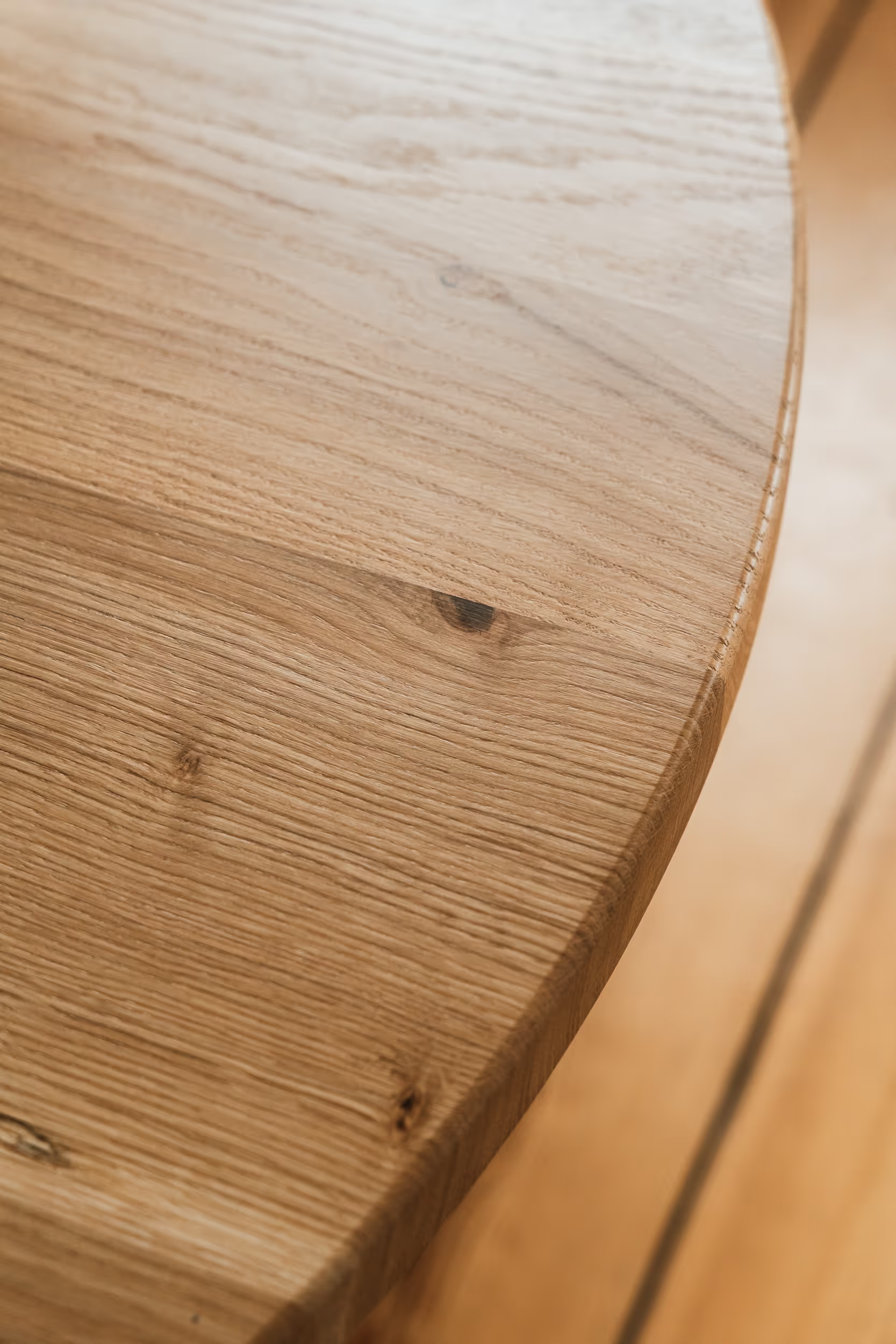
Oil-wax penetrates deep into the wood and protects it from within while also creating a thin, breathable layer on the surface. The wood retains its natural character – its texture, warmth to the touch and authentic feel.
Pros
- good resistance to liquids
- easy everyday care
- allows for local touch-ups
- enhances the colour and grain
- surface feels smooth and silky
- antistatic finish, so dust is less visible
Cons
- the protective layer can be damaged by strong friction
- lower mechanical resistance than lacquer
Oil-wax is a great choice for anyone who values a natural look and wants to preserve the true character of the wood.
Wood is a classic that never goes out of style.
How the finish affects your table
The finish you choose affects more than just the look of your table. It influences its durability, everyday care and how comfortable it is to use, all in line with your habits and lifestyle. Oil-wax and lacquer protect wood in completely different ways, so it is worth knowing the key differences before deciding.
Oil-wax – how does it work?
Oil-wax penetrates deep into the wood and protects it from within while also creating a thin, breathable layer on the surface. The wood retains its natural character – its texture, warmth to the touch and authentic feel.
Pros
- good resistance to liquids
- easy everyday care
- allows for local touch-ups
- enhances the colour and grain
- surface feels smooth and silky
- antistatic finish, so dust is less visible
Cons
- the protective layer can be damaged by strong friction
- lower mechanical resistance than lacquer
Oil-wax is a great choice for anyone who values a natural look and wants to preserve the true character of the wood.
Wood is a classic that never goes out of style.
How the finish affects your table
The finish you choose affects more than just the look of your table. It influences its durability, everyday care and how comfortable it is to use, all in line with your habits and lifestyle. Oil-wax and lacquer protect wood in completely different ways, so it is worth knowing the key differences before deciding.
Oil-wax – how does it work?
Oil-wax penetrates deep into the wood and protects it from within while also creating a thin, breathable layer on the surface. The wood retains its natural character – its texture, warmth to the touch and authentic feel.
Pros
- good resistance to liquids
- easy everyday care
- allows for local touch-ups
- enhances the colour and grain
- surface feels smooth and silky
- antistatic finish, so dust is less visible
Cons
- the protective layer can be damaged by strong friction
- lower mechanical resistance than lacquer
Oil-wax is a great choice for anyone who values a natural look and wants to preserve the true character of the wood.
Wood is a classic that never goes out of style.
How the finish affects your table
The finish you choose affects more than just the look of your table. It influences its durability, everyday care and how comfortable it is to use, all in line with your habits and lifestyle. Oil-wax and lacquer protect wood in completely different ways, so it is worth knowing the key differences before deciding.
Oil-wax – how does it work?
Oil-wax penetrates deep into the wood and protects it from within while also creating a thin, breathable layer on the surface. The wood retains its natural character – its texture, warmth to the touch and authentic feel.
Pros
- good resistance to liquids
- easy everyday care
- allows for local touch-ups
- enhances the colour and grain
- surface feels smooth and silky
- antistatic finish, so dust is less visible
Cons
- the protective layer can be damaged by strong friction
- lower mechanical resistance than lacquer
Oil-wax is a great choice for anyone who values a natural look and wants to preserve the true character of the wood.
Lacquer – when is it worth choosing?
Lacquer creates a tight, durable layer on the surface of the wood. It does not penetrate the structure but works like a protective shield against liquids, scratches and everyday use.
Pros
- very high resistance to liquids and scratches
- quick and simple daily care
- no need for periodic maintenance
Cons
- spot repairs cannot be done on your own
- the surface feels less natural to the touch
- the formulation may contain chemical components
Lacquer is a good choice for people who want maximum protection and minimal daily care.
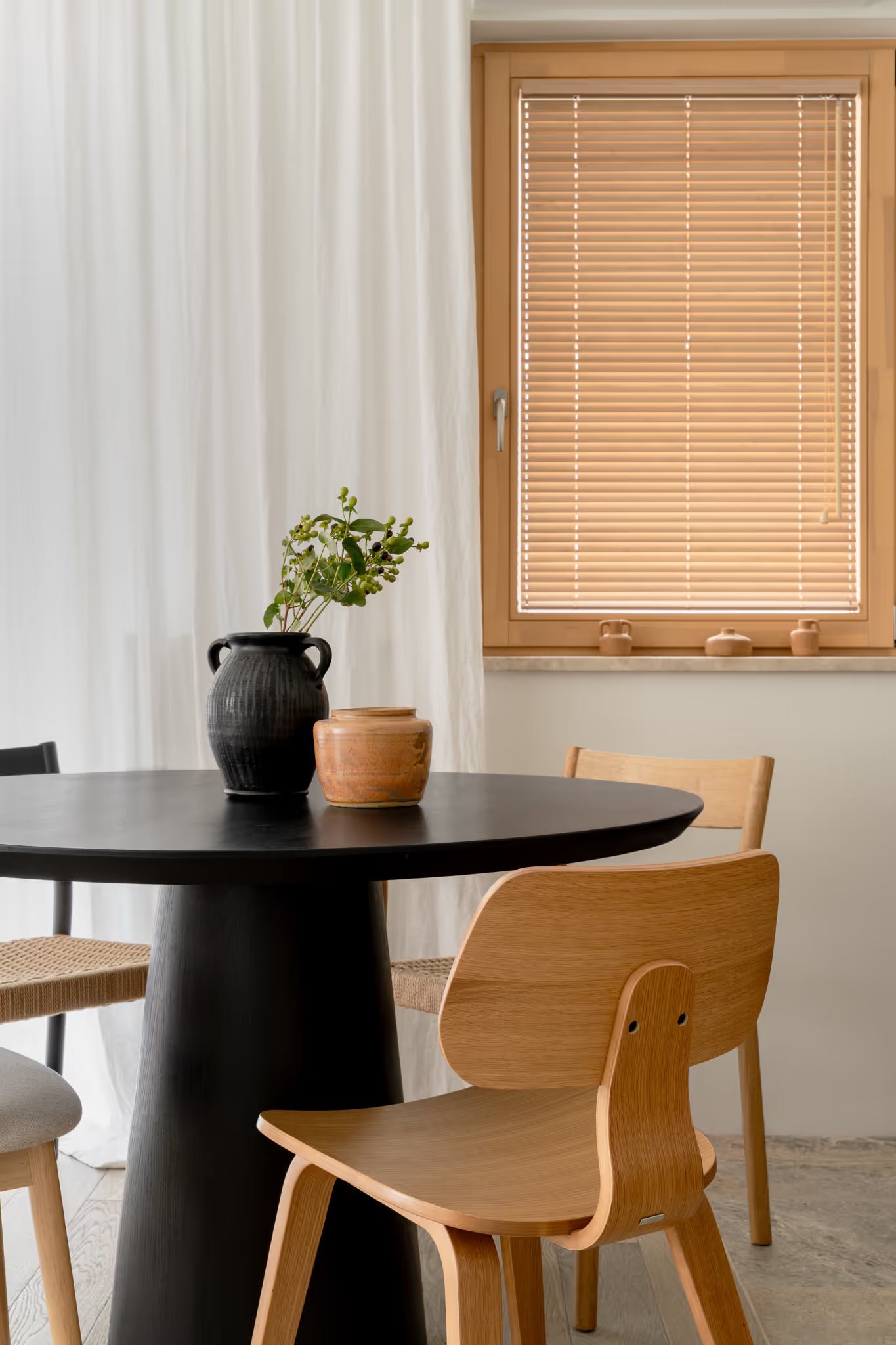
What to choose?
The simplest way to decide:
- Oil-wax – if you care about a natural feel, warmth and the option to repair small areas yourself.
- Lacquer – if your priority is the highest resistance and everyday convenience.
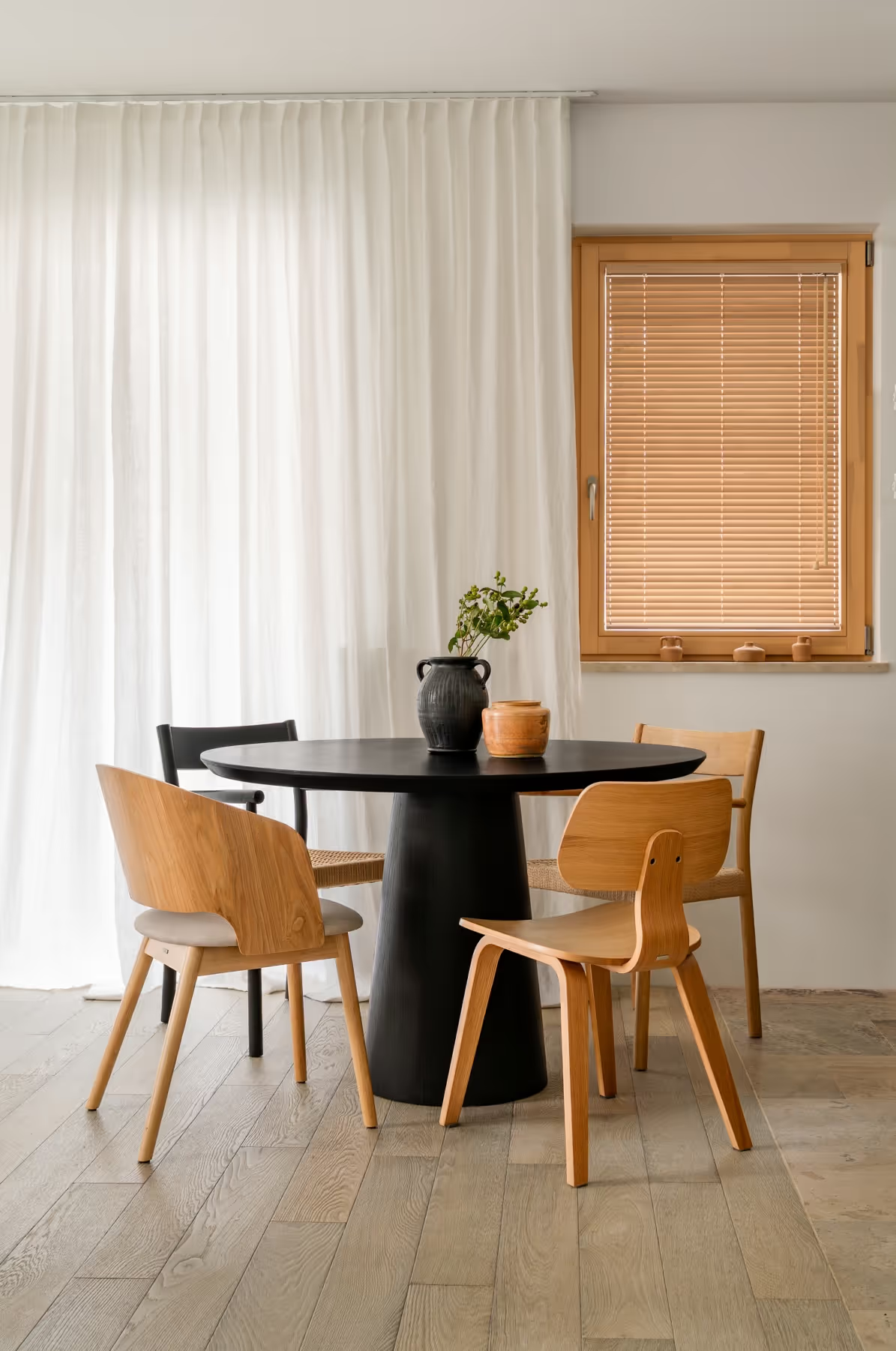
At HOOM we craft tables in both oil-wax and matt lacquer finishes. Each option is durable, easy to care for and suitable for daily use, but they bring out the wood in different ways and offer different properties.
If you need help choosing the right finish for your project, we will guide you. We compare the options, explain the differences and prepare a recommendation matched to the material, the colour and the way you use your table.
Oil-wax and lacquer offer different levels of protection and a different visual effect. Choosing the right finish makes everyday care easier and extends the life of your table.
FAQ: quick answers
Which finish is better for a family table with children?
Usually lacquer, if the priority is maximum protection and easy cleaning. Oil-wax also works well if you value a natural feel and accept that small areas are refreshed from time to time.
Does oil-wax protect against water and wine?
Yes. Oil-wax protects wood against stains from food and drinks of all kinds, and performs well in everyday use.
Can lacquer be repaired in one spot?
No. Restoring a lacquered surface means sanding the whole coating and refinishing it. We offer that service to our clients.